
The modern airport, for all its architectural grandeur and logistical wizardry, remains for many a crucible of anxiety. The frantic rush to check in, the indignity of security lines, the endless wait at the gate – these are the foundational elements of the ‘airport experience’ that few truly relish. Yet, in an increasingly competitive global aviation landscape, leading hubs are no longer content with merely shuttling passengers from A to B. They are vying to transform the transit itself into an integral, even pleasurable, part of the journey. And nowhere is this ambition more acutely felt than at Incheon International Airport (ICN), a perennial contender for the world’s best airport.
Just as the industry collectively exhales after the turbulence of the pandemic years, Incheon, ever the innovator, has once again raised the bar. The buzz emanating from Korea’s primary international gateway isn’t about faster security or new duty-free brands, but about a far more fundamental evolution: a dedicated space designed to soothe the frazzled traveler’s soul before their journey even begins. Dubbed The Serenity Gateway, this audacious new initiative promises to transform the pre-flight ‘heart-thumping’ into a moment of genuine calm. But is it a true paradigm shift, or just another plush amenity draped in the language of wellness?
The Promise of Peace: Deconstructing The Serenity Gateway
The Serenity Gateway, which officially opened its doors in January 2026 following a successful pilot program in late 2025, is Incheon’s latest gambit in the relentless pursuit of passenger experience excellence. Located discreetly yet accessibly within Terminal 2, it isn’t merely a larger, quieter lounge. Instead, it positions itself as a curated environment, meticulously engineered to combat travel stress through a fusion of biophilic design principles and cutting-edge technology.
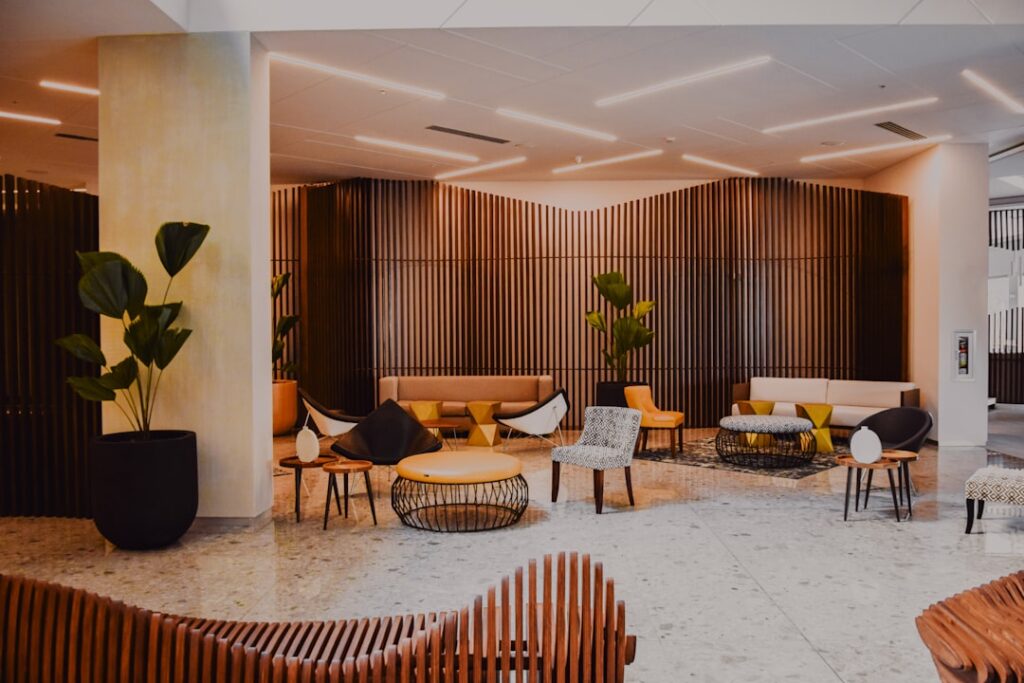
Upon entering, the shift in atmosphere is palpable. Gone are the ubiquitous PA announcements and the fluorescent glare. In their place, a sophisticated sound-masking system bathes the space in a tranquil ambient hum, interspersed with nature-inspired soundscapes. Lush vertical gardens and natural wood textures dominate the visual field, creating an illusion of escape from the concrete jungle of the concourse. This is biophilia not as an afterthought, but as a core tenet, aimed at reducing cortisol levels and fostering a sense of groundedness.
Technologically, the Gateway doesn’t shy away from its ‘smart airport’ lineage. Integrated into the design are discreet ‘recharge pods’ offering personalized meditation programs via augmented reality headsets, guided by AI-powered wellness coaches. These pods adapt lighting, temperature, and even subtle haptic feedback to individual preferences, aiming for an immersive, private sanctuary experience. Beyond the pods, communal zones feature dynamic lighting systems that mimic natural circadian rhythms, helping travelers adjust to time zone shifts even before takeoff. Advanced air purification and aromatherapy diffusers complete the sensory overhaul, targeting every aspect of a traveler’s physiological and psychological well-being. It’s a bold, multi-sensory assault on stress, meticulously planned to reset the passenger’s equilibrium.
A Glimpse into the Future of Flight: Why Now?
The timing of The Serenity Gateway’s debut is no coincidence. The post-pandemic travel boom has brought with it not just a surge in passenger numbers, but also a heightened awareness of mental and physical well-being. Travelers, having endured periods of restricted movement and increased health anxieties, are now demanding more from their journeys. The days of simply tolerating airport discomfort are receding; the expectation is shifting towards an integrated, holistic travel experience.
For Incheon, this initiative is a strategic masterstroke in the ongoing global competition among aviation hubs. Major airports like Singapore’s Changi and Qatar’s Hamad have long invested in amenities that transcend basic functionality, from waterfalls to art installations. The Serenity Gateway signals Incheon’s intent to lead not just in operational efficiency, but in the nascent field of ’emotional infrastructure’ for travelers. By directly addressing the psychological toll of air travel, ICN aims to cultivate a deeper, more positive association with its brand. This isn’t just about passenger comfort; it’s about competitive differentiation, enhancing loyalty, and ultimately, boosting the airport’s economic viability in an increasingly experience-driven economy.
Moreover, the Gateway reflects a broader societal trend towards personalized wellness and digital therapeutics. In a world saturated with screen time and constant connectivity, spaces that offer genuine respite and mindful engagement are becoming increasingly valuable. Incheon is tapping into this zeitgeist, leveraging its prowess in smart infrastructure to deliver a product that feels both cutting-edge and deeply human.
Seoul’s Signature Touch: Where Culture Meets Calm
One might argue that a ‘wellness space’ could be generic, transplanted from any luxury spa to any global airport. However, Incheon’s Serenity Gateway manages to subtly weave in a distinctly Korean sensibility. While the aesthetics lean towards universal modernism, elements of traditional Korean design philosophy—particularly its emphasis on harmony with nature (cha-yeon-chin-hwa) and minimalist elegance (yeo-baek-eui-mi)—are evident. The use of sustainable Korean wood species, the subtle inclusion of traditional patterns in modern textures, and the meticulous attention to sensory balance all point to a deliberate cultural imprint.
Furthermore, the integration of AI-driven personalization echoes Korea’s reputation as a tech powerhouse. Rather than a one-size-fits-all approach, the Gateway’s reliance on intelligent systems to tailor experiences to individual needs (from preferred soundscapes to guided meditation languages) showcases an application of technology that feels both advanced and genuinely thoughtful. This isn’t just a gimmick; it’s an intelligent use of data and AI to enhance human comfort, aligning perfectly with Seoul’s vision as a smart city that prioritizes its citizens’ (and visitors’) well-being. It transforms what could have been a sterile tech showcase into a nurturing environment.
The Critical View: Is Tranquility for All, or Just the Few?
While The Serenity Gateway is undoubtedly an impressive undertaking, a critical eye must ask: who is this tranquility truly for? While Incheon has stated that basic access is complimentary for all departing Terminal 2 passengers, the premium features – the personalized biofeedback sessions, the more exclusive meditation pods, the extended stays – come with a nominal fee or are reserved for elite passengers through airline partnerships. This immediately raises questions about equitable access to what is framed as a fundamental enhancement of the airport experience. Is true well-being becoming another tiered luxury, accessible primarily to those already flying business or first class?
Furthermore, while the concept is brilliant, its scalability and long-term impact remain to be seen. Airports are inherently high-traffic environments. Can the meticulously crafted calm of The Serenity Gateway withstand the relentless churn of thousands of daily passengers? Maintenance of such a high-tech, biophilic environment will be demanding, and any dip in standards could quickly erode its intended effect. A truly disruptive innovation would be one that weaves elements of this mindful design into the entire airport experience, not just sequestering it to a dedicated zone.
One might also cynically ponder if such initiatives are merely sophisticated distractions, designed to alleviate the symptoms of travel stress rather than address its root causes – namely, the inherent inefficiencies and dehumanizing aspects of modern air travel. While a moment of peace is welcome, it doesn’t negate the frustration of a delayed flight or lost luggage.
Key Takeaways
- Holistic Wellness in Transit: The Serenity Gateway signifies a shift towards airports investing in passengers’ psychological and physiological well-being, beyond just basic amenities.
- Biophilic Design Meets Smart Tech: It showcases a seamless integration of natural design elements with AI, AR, and advanced environmental controls for a personalized, calming experience.
- Strategic Differentiation for ICN: This initiative is a bold move by Incheon to solidify its position as a leading global aviation hub, leveraging emotional infrastructure as a competitive advantage.
- Korean Influence: The project subtly integrates Korean design philosophy and technological prowess, providing a unique cultural touch to a universal wellness concept.
- Accessibility Concerns: While groundbreaking, the tiered access to premium features raises questions about whether true tranquility will remain a luxury rather than a universal standard.
Practical Information
- Facility Name: The Serenity Gateway
- Expected Dates/Timelines: Officially opened in January 2026, following a successful pilot program in late 2025. Fully operational as of February 2026.
- Specific Locations/Availability: Located post-security in Incheon International Airport Terminal 2, nestled between Gates 251 and 253 in the West Wing concourse.
- How to Get There / Access: The Serenity Gateway is accessible to all departing passengers with a valid boarding pass for Terminal 2. After passing through immigration and security, follow the prominent digital signage for ‘The Serenity Gateway’ located a short walk from the central Duty-Free area. Basic access, including seating and general ambient features, is complimentary. Premium features, such as private meditation pods, personalized biofeedback sessions, and extended relaxation therapy, are available for a nominal fee (starting at ₩15,000 for 30 minutes) or through exclusive partnerships with select airlines (e.g., Korean Air, Delta) for their premium cabin passengers or elite loyalty members.
Conclusion: The Quiet Revolution
The Serenity Gateway at Incheon Airport represents more than just a new amenity; it’s a symptom of a quiet revolution unfolding in the travel industry. As our lives become increasingly digitized and accelerated, the demand for spaces that offer genuine respite and intentional disconnection will only grow. Incheon is not just responding to this demand but attempting to anticipate it, crafting an environment that aims to heal the very anxieties that air travel often creates.
Whether this marks a fundamental shift towards truly ‘human-centric’ airport design, or merely a sophisticated band-aid on the systemic stresses of global transit, remains to be seen. Yet, by making the bold assertion that the journey’s beginning should be a moment of peace, not panic, Incheon International Airport is sending a clear signal: the future of flight isn’t just about getting there faster, but arriving better. And for that, even a cynical critic might offer a rare, contemplative nod.