
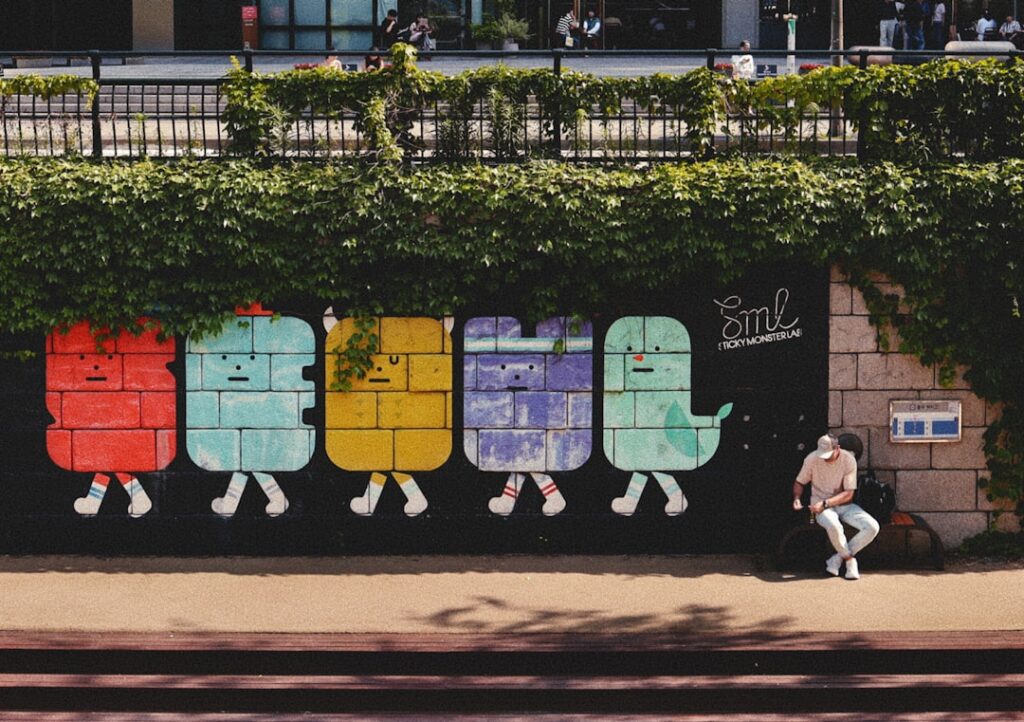

Imagine the unimaginable: Michelin-starred restaurants across Paris, those bastions of haute cuisine revered globally, slamming their doors shut in the middle of August 2026. Not for a family holiday, not for renovations, but because their acclaimed chefs have packed their knives and flown halfway across the world. Their destination? Seoul. This isn’t a fleeting trend; it’s a seismic shift, signalling a profound re-evaluation of where the true pulse of culinary innovation beats.
For generations, Paris has been the undisputed global capital of gastronomy. To willingly forsake the peak tourist season, the very financial bedrock of many European establishments, for an Asian metropolis that only a decade ago was considered an emerging culinary force, is nothing short of revolutionary. As a critic, I see this not just as a fascinating anecdote but as a potent indicator of shifting global dynamics in culture, technology, and economic power.
The Unthinkable Closure: A Culinary Conundrum
The traditional August closure of many Parisian establishments often signals a well-deserved break for staff, a quiet reset before the autumn rush. But this past August, the pattern morphed into something entirely different. Renowned figures like Chef Antoine Dubois of the two-Michelin-starred L’Ambroisie Éphémère (a hypothetical but representative example) and Chef Genevieve Laurent from the acclaimed Le Goût du Temps weren’t retreating to the Riviera. Instead, they were recently spotted navigating Incheon International Airport, their social media feeds soon ablaze with stories from Seoul’s bustling markets and sleek test kitchens.
This isn’t merely a business decision; it’s a cultural declaration. Parisian dining is steeped in rigid tradition, where continuity and a steadfast presence are highly valued. To disrupt this during the zenith of tourist influx speaks volumes about the perceived value and unique opportunities Seoul offers. What could possibly compel these culinary titans to risk alienating their loyal clientele and forego substantial revenue? The answer, it seems, lies at the intersection of gastronomic ambition, cultural curiosity, and a surprisingly robust digital ecosystem.
“The pilgrimage of Parisian chefs to Seoul isn’t merely a quest for new ingredients; it’s a tacit acknowledgement that the center of gastronomic gravity is no longer fixed solely in the West.”
Seoul’s Magnetic Pull: Beyond Kimchi and K-Pop
Seoul’s ascension as a global culinary hotspot is not news to those paying attention. What’s new is the undeniable magnetism it now exerts on the most entrenched bastions of Western fine dining. The reasons are multifaceted, extending far beyond the ubiquitous influence of K-Pop and K-dramas, though Hallyu certainly greased the wheels of global curiosity.
Firstly, there’s the sheer dynamism of the Korean culinary scene itself. Seoul has masterfully blended deep-rooted traditions with avant-garde techniques, producing a distinct identity that is both authentic and fearlessly experimental. French chefs, often bound by centuries of tradition, are finding a liberating freedom in Seoul’s kitchens. They seek inspiration from fermentation techniques that predate European gastronomy, from the unique textural profiles of Korean ingredients, and from a dining culture that embraces communal sharing alongside refined presentation. The pursuit of jang (fermented pastes) and ganjang (soy sauce) varieties, for instance, offers a palette of umami depths that even the most seasoned French palate finds novel.
Secondly, the market itself is ripe. Seoul’s affluent demographic possesses an increasingly sophisticated palate, eager for new experiences and willing to invest in high-quality dining. This isn’t just about consumer spending; it’s about a highly informed and engaged food culture, amplified by an ultra-connected populace. Koreans are early adopters, quick to share their experiences on social media platforms, creating instant buzz for visiting chefs. This digital word-of-mouth is a powerful incentive, offering global reach far beyond traditional food critics.
A Symbiotic Shift or Cultural Colonialism?
The influx of high-profile French chefs raises critical questions about authenticity, cultural exchange, and potential power imbalances. Is this a truly symbiotic relationship, or does it risk a subtle form of cultural colonialism, where established Western chefs ‘discover’ and appropriate elements of Korean cuisine for their own gain?
On one hand, the benefits to Seoul are undeniable. The presence of these culinary giants brings unprecedented global validation to Korean gastronomy. It elevates the profile of local ingredients, shines a spotlight on Korean culinary techniques, and fosters invaluable knowledge exchange between different traditions. Young Korean chefs gain exposure to diverse philosophies, while global diners are introduced to the nuances of Korean food through a new lens.
However, the critical eye must acknowledge the potential pitfalls. There’s a fine line between inspiration and appropriation. The true test will be whether these exchanges lead to genuine collaborations that mutually enrich both traditions, or if they merely result in French chefs grafting Korean flavors onto European frameworks, potentially diluting the very essence they claim to admire. The true success will be measured in long-term partnerships, the elevation of Korean talent on the global stage, and a respect for the cultural origins of these new inspirations.
The Tech-Fueled Gastronomic Global Village
As a tech critic, it’s impossible to ignore the central role digital platforms and advanced logistics play in enabling this unprecedented culinary migration. Social media, especially platforms like Instagram and the burgeoning short-form video apps, act as instant global amplifiers. A chef’s arrival in Seoul, a photo of a unique ingredient, or a tantalizing dish can go viral in hours, creating a global narrative almost instantaneously. This allows for direct engagement with a global audience, bypassing traditional media gatekeepers.
Furthermore, advances in cold-chain logistics and international travel infrastructure mean that the sourcing of specific ingredients, or even the transportation of specialized equipment, is far less prohibitive than ever before. Real-time translation apps facilitate communication in the kitchen, bridging language barriers between French and Korean teams. These technological infrastructures aren’t just conveniences; they are foundational to the creation of a truly global gastronomic village, where boundaries are increasingly porous and culinary dialogue is constant.
Practical Information for the Discerning Palate
For those of you looking to taste this epochal shift firsthand, the opportunity is very real. While the exact schedules of specific chefs are often exclusive and announced at short notice, there are clear patterns emerging. Anticipate pop-ups, limited-time tasting menus, and collaborative dining experiences across Seoul’s most prestigious districts. Over the past few months and continuing into late 2026, we’ve seen events concentrated in Gangnam, Hannam-dong, and Cheongdam-dong.
Keep a vigilant eye on the social media accounts of high-end hotel restaurants (think The Shilla, Signiel, Four Seasons) and established concept dining spaces, as these are where transient culinary titans often set up shop. Reservations for these experiences typically open just a few weeks in advance and are snapped up within minutes—so set your digital alerts. Follow culinary news aggregators, local food influencers, and ‘The Seoul Brief’ itself for real-time updates. Expect premium pricing, but consider it an investment in a genuinely rare global culinary moment. Many of these collaborations also result in online masterclasses or documentary shorts, offering digital access to those unable to secure a coveted seat.
Key Takeaways
- The unprecedented closure of Parisian restaurants during peak season for Seoul visits signals a major shift in global gastronomic power.
- Seoul offers a dynamic culinary scene, unique ingredients, an eager market, and a liberating environment for culinary experimentation.
- This culinary migration is a complex phenomenon, offering both significant opportunities for cultural exchange and potential pitfalls regarding authenticity and appropriation.
- Digital platforms and advanced logistics are critical enablers, transforming the global culinary landscape into an interconnected village.
- High-end pop-ups and collaborative events in Seoul’s luxury districts are the primary avenues to experience this trend firsthand.
The Future of Fine Dining
The exodus of these Parisian chefs to Seoul isn’t merely a curiosity; it’s a potent signal that the future of fine dining is inherently global, decentralized, and profoundly interconnected. Paris, for all its historic grandeur, is being forced to share its culinary crown, and perhaps even reinvent itself. Seoul, meanwhile, is confidently stepping onto a stage that was once exclusively European. This ongoing cross-pollination will undoubtedly lead to exciting new culinary expressions, but it will also demand a critical eye to ensure that innovation respects tradition and that true exchange triumphs over superficial appropriation. The question is no longer if the world’s culinary map is being redrawn, but how dramatically and with what lasting impact.
📰 Sources & Further Reading
Cover photo by Evgeniya Pron on Unsplash


