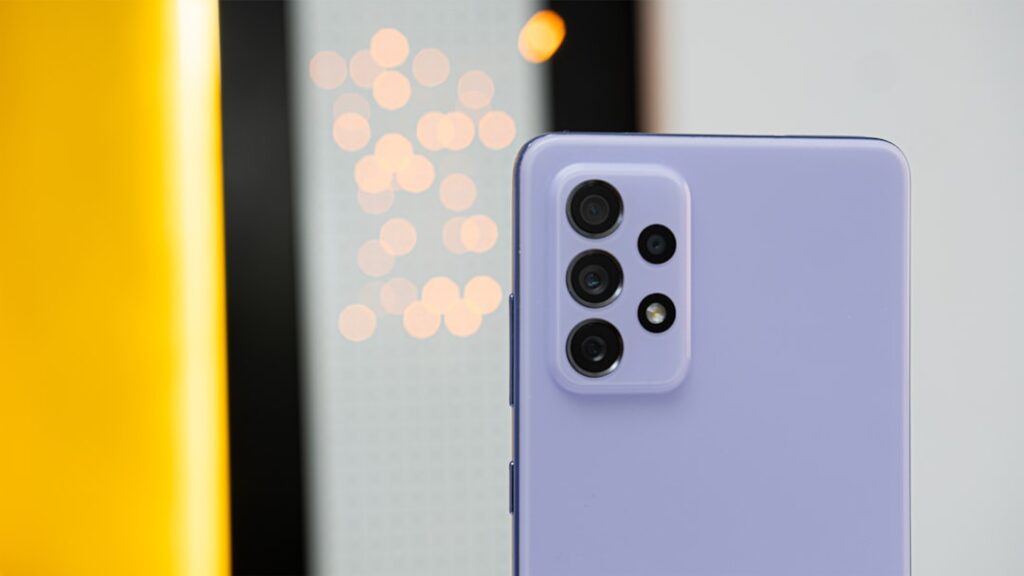

In an era defined by the frantic churn of upgrade cycles, where the ‘new’ quickly becomes ‘obsolete,’ a curious tale has emerged from the vast, unforgiving expanses of a desert landscape. It’s a story that feels less like a modern tech headline and more like an archaeological discovery: a Samsung smartphone, believed lost for over a decade, reportedly unearthed and still functioning. The internet, ever hungry for viral nuggets, predictably latched onto the narrative – “Samsung needs some praise,” the sentiment echoed, “a phone perfectly fine after 10 years in the desert.”
For ‘The Seoul Brief,’ such a narrative isn’t just a heartwarming anecdote about resilience; it’s a potent, inconvenient truth that slices through the polished veneer of the contemporary tech industry. It forces a critical lens onto Samsung, certainly, but more broadly, it spotlights the uncomfortable paradox of planned obsolescence versus genuine engineering prowess, and the silent, growing demand for longevity in our digital lives. As we stand in early 2026, still grappling with the fallout of rapid consumption and e-waste, this “phoenix phone” from the sand isn’t just a relic; it’s a mirror.
The Oasis of Durability: A Digital Archaeology
Imagine the scene: a harsh, arid environment, extreme temperatures, sandstorms, relentless sun. This isn’t a controlled lab test; it’s Mother Nature’s ultimate torture chamber. For a modern electronic device – typically a delicate fusion of glass, plastic, and intricate circuitry – to merely exist under such conditions for a decade is remarkable. For it to function, however intermittently, elevates it from anecdote to phenomenon. While specific model details remain sparse, the mere fact that it was a Samsung device, a brand often associated more with sleek aesthetics and cutting-edge features than brute-force survival, makes the story even more compelling.
This discovery is a stark contrast to the modern consumer experience. How many flagship devices purchased in, say, 2024, are expected to last until 2034, let alone perform any basic function after a prolonged period of neglect? The answer, for most, is a cynical shrug. We’ve been conditioned to expect a two-to-three-year lifespan, often less, before battery degradation, software bloat, or simply the allure of the next shiny thing renders our current device ‘obsolete.’ The desert phone, therefore, serves as a digital archaeological find, unearthing a forgotten standard of robustness that once quietly underpinned technological ambition. It challenges our contemporary assumptions about fragility and the inherent disposability of our most personal devices.
Beyond the Bezel: Samsung’s Unsung Engineering Prowess
Samsung, globally recognized for its dazzling displays, powerful processors, and ambitious camera tech, rarely receives accolades for sheer, unsexy durability. Yet, this desert saga points to an underlying engineering bedrock that is often overlooked. Before it became a consumer electronics giant, Samsung’s origins were deeply rooted in heavy industry, shipbuilding, and construction. This heritage, a legacy of building things to last, arguably trickles down into the often-invisible structural integrity of even its most delicate gadgets.
While the market clamors for thinner profiles, higher refresh rates, and marginal camera improvements, the silent work of engineers focused on material science, thermal management, and sealing mechanisms often goes unheralded. This desert phone is a testament to those unsung heroes. It suggests that deep within Samsung’s R&D, there exists a capacity for resilience that, for various strategic reasons, isn’t always pushed to the forefront of consumer-facing narratives. In an industry where a single drop can shatter a screen or a software glitch can brick a device, remembering that some level of ‘over-engineering’ once existed, and perhaps still does, in these behemoth companies, offers a refreshing perspective. It begs the question: if they can build them this robustly, why don’t they, consistently?
The Planned Obsolescence Paradox: A Business Model Under Scrutiny
The survival of the desert phone presents a potent, if accidental, critique of the dominant business model that has shaped the tech industry for decades: planned obsolescence. Companies thrive on new sales, incentivizing upgrades through marginal improvements, timed software updates that slow older devices, and the ever-present cultural pressure to keep up. A phone that lasts a decade in extreme conditions is, from a purely capitalist perspective, a nightmare. It’s a product that defies the very engine of iterative consumption.
This paradox forces us to confront the ethical and environmental implications of our upgrade culture. Every year, millions of devices, many still perfectly functional, are discarded, contributing to an ever-growing mountain of electronic waste. The desert phone highlights that the technological capacity for greater longevity exists, but is often consciously or unconsciously suppressed by market forces. Consumers, caught in the cycle, are often left to wonder if their rapidly deteriorating battery or suddenly sluggish performance is a natural consequence of aging technology, or a cleverly engineered nudge towards their next purchase. As discussions around the “right to repair” gain momentum globally, stories like this embolden calls for more sustainable practices and transparent product lifecycles.
Reclaiming the Narrative: An Opportunity Missed (or Found?)
For Samsung, this desert phone saga offers a unique public relations opportunity, a chance to reclaim a narrative that often gets buried under comparisons with Apple’s ecosystem or Xiaomi’s aggressive pricing. While they’ve certainly emphasized water and dust resistance (IP ratings) in recent flagships, the broader message of extreme longevity isn’t a core part of their brand identity. Imagine the marketing potential: “Built to Outlast. Built by Samsung.”
Yet, history shows that companies are often hesitant to champion radical durability if it directly threatens their upgrade revenue streams. Why sell one phone that lasts ten years when you can sell five phones that each last two? However, as consumer values shift towards sustainability and conscious consumption, particularly among younger demographics, ignoring this potential is shortsighted. Brands like Fairphone have carved out a niche by explicitly prioritizing repairability and ethical sourcing. While Samsung operates on a vastly different scale, this desert anecdote could be a powerful catalyst to launch a “longevity” sub-brand or a significant commitment to modular design and extended software support, positioning them as pioneers in sustainable tech rather than just spec-sheet leaders. The question for Samsung’s strategists in 2026 isn’t just if they can build durable phones, but if they have the courage to market them as such.
The Road Ahead: Practicalities for a Durable Future
The desert phone is an anomaly, but its implications for the industry are anything but. For consumers and policymakers alike, the push for more durable and repairable technology is gaining undeniable momentum.
-
Expected Dates/Timelines: The “right to repair” movement, spurred by environmental concerns and consumer frustration, is poised for significant legislative victories. In the European Union, the Digital Services Act and other eco-design directives are expected to enforce stronger repairability and software update commitments, potentially impacting global manufacturers as early as late 2026 or early 2027. Similar legislative pushes are anticipated at the state level across the United States within the same timeframe, although a unified federal approach remains unlikely before 2028. Consumers can realistically expect improved access to parts and repair manuals for new devices purchased from Q4 2026 onwards.
-
Specific Locations/Availability: While direct access to the desert phone remains a singular event, the broader availability of repair services and durable alternatives is expanding. Authorized Samsung service centers globally, including flagship locations in Seoul like the Samsung Gangnam Store or the Digital Plaza in Yongsan, are slowly increasing their capacity for complex component-level repairs. Beyond brand-specific locations, third-party repair shops adhering to “right to repair” principles are becoming more prevalent, particularly in urban centers and regions with strong environmental advocacy. For those seeking truly rugged devices, specialized brands and certifications (e.g., MIL-STD-810H military standards) offer options beyond mainstream flagships.
-
How to Get There / Access: To access a more durable future for your tech, consumers have several avenues. Actively seek out devices with high repairability scores (e.g., from iFixit). Prioritize manufacturers who offer extended software support lifecycles beyond the typical 2-3 years. Engage directly with Samsung’s customer service channels to inquire about genuine parts and authorized repair options for older models. While taking your phone to a designated Samsung service center (e.g., Seoul’s Samsung Service Center at Gangnam Station, Exit 10, walk straight for 200m) is the most reliable method for official repairs, supporting local independent repair shops that advocate for the “right to repair” also contributes to a more sustainable ecosystem. The path to longevity starts with informed choices and demanding more from our tech giants.
Key Takeaways:
- Unsung Durability: The desert phone highlights Samsung’s often-overlooked engineering capacity for extreme resilience, challenging its perception as merely a high-spec, high-design brand.
- Planned Obsolescence Under Fire: This anecdote serves as a powerful critique of the tech industry’s rapid upgrade cycles and their environmental impact, fueling the “right to repair” movement.
- Brand Opportunity: Samsung has a unique chance to leverage this story to reposition itself as a leader in sustainable, long-lasting technology, aligning with shifting consumer values.
- Consumer Empowerment: A durable future for tech requires both industry changes (driven by legislation) and proactive consumer choices, demanding longevity and repairability.
Conclusion
The story of the Samsung phoenix phone, rising from the sands after a decade, is more than just a feel-good oddity. It’s a profound commentary on the state of technology in 2026, a silent roar against the planned obsolescence that defines so much of our digital lives. It reminds us that capability often outstrips market strategy, and that beneath the glossy surfaces and endless feature lists, there lies a core engineering truth: our devices can be built to last. For Samsung, this isn’t just a moment of unexpected praise; it’s a pivotal choice. Will they listen to the subtle whisper of the desert wind, echoing the growing demand for true longevity, or will they continue to march to the drumbeat of perpetual upgrades? The answer will define not just their future, but perhaps, the future of sustainable technology itself.