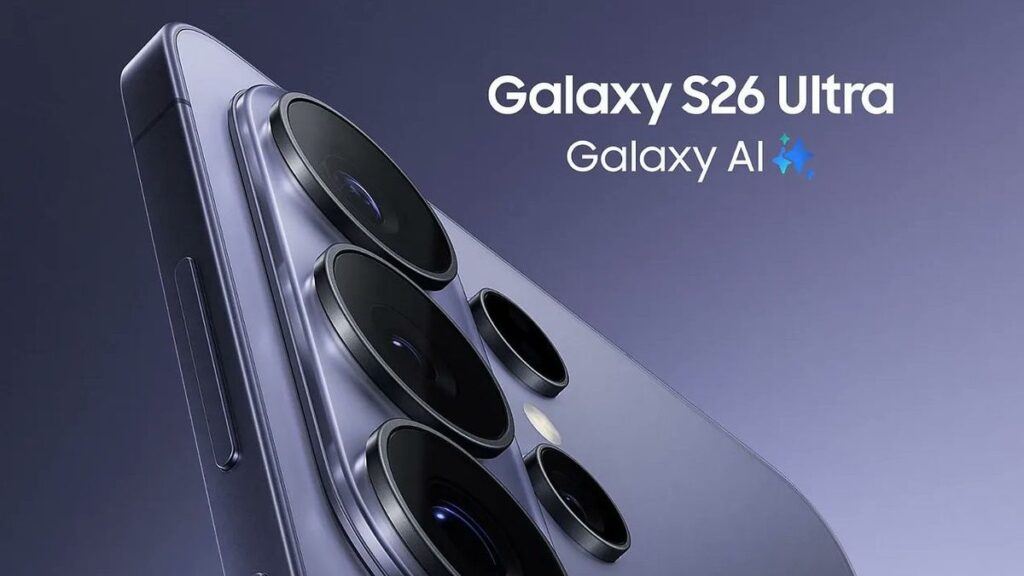

The air in Seoul, as of February 20th, 2026, hums with a familiar, yet increasingly strained, anticipation. Samsung’s next flagship, the Galaxy S26 series, is mere days away from its grand unveiling, and the whispers have coalesced into a full-throated roar of speculation. From leaked images to industry buzz, the narrative is clear: this is Samsung’s AI phone, redefined. But beneath the surface shimmer of generative intelligence and photographic prowess, a deeper current of concern is gaining strength, threatening to capsize the hype ship: the unrelenting march of “chippflation” and the S26’s truly eye-watering price tag.
For ‘The Seoul Brief’, the S26 presents a compelling paradox. Is Samsung on the cusp of delivering a genuinely revolutionary creative tool, or are we witnessing a calculated gamble, leveraging cutting-edge AI as a justification for unprecedented costs and potentially predatory sales tactics? Let’s dissect the three core pillars of the S26 narrative: its much-touted AI camera, its formidable price, and the emerging regulatory shadows.
The AI-Powered Lens: A Creative Revolution, or Just More Hype?
Samsung has made no secret of its ambition to position the Galaxy S26 as the definitive AI-centric smartphone. The flurry of pre-launch leaks and official teasers has painted a vivid picture: an AI camera capable of “expert-level editing with just one word,” promising “the easiest creative experience ever,” and empowering users to produce “movie-like” content. This isn’t just about better photos; it’s about fundamentally altering the barrier to entry for high-quality content creation.
On the surface, this sounds like a dream. Imagine crafting a cinematic sequence or a perfectly composited image with a simple voice command or text prompt. For the average user, this could democratize advanced visual storytelling, previously the exclusive domain of those with technical skills or expensive software. From a cultural perspective, this could ignite a fresh wave of digital creativity, transforming casual users into inadvertent auteurs. However, a critic must ask: what are the unseen costs?
The promise of effortless “expert-level” editing raises questions about authenticity and skill degradation. If AI handles the heavy lifting, does the user truly develop an understanding of photographic principles, or merely become a passenger in their own creative journey? There’s a subtle infantilization at play here, where genuine mastery is supplanted by algorithmic proficiency. Furthermore, the ethical implications of sophisticated generative AI in photography — especially in an era rife with deepfakes and manipulated media — cannot be overlooked. While Samsung will undoubtedly implement safeguards, the sheer power of these tools demands a vigilant eye. Is this true artistic empowerment, or just another layer of digital illusion? Samsung’s bet is bold, but the true impact on human creativity and perception remains to be seen.
The Elephant in the Room: Chippflation and the Crushing Price Tag
Perhaps the most jarring revelation preceding the S26 launch is its reported price. Leaks confirm that the Galaxy S26 Ultra 512GB model is expected to breach the 2.05 million KRW mark (over $1,500 USD), a significant jump that raises serious concerns for the average consumer and the broader market. Samsung points to “chippflation” – the rising cost of advanced semiconductor components – as a primary driver. While global supply chain pressures and manufacturing complexities are undeniably real, the term itself feels like a convenient brand for a premium pricing strategy that may be testing the limits of consumer tolerance.
This relentless upward trajectory in flagship phone pricing is creating an increasingly exclusionary market. In South Korea, a nation famously obsessed with the latest tech, the sticker shock is palpable. We’re seeing discussions emerge around “family phone succession” – the practice of older, still capable flagships being passed down to family members, thereby delaying upgrades and mitigating the financial burden. This isn’t just a cost-saving measure; it’s a telling indicator of a fundamental shift in consumer behavior, forced by an industry that seems to be pricing itself out of the everyday budget.
For Samsung, this gamble comes with significant risk. While the company still commands a powerful brand loyalty, continually pushing the price ceiling risks alienating a substantial segment of its user base. How many AI-powered bells and whistles are truly worth the cost of a high-end laptop, or in some cases, a significant down payment on a vehicle? The S26’s premium price point isn’t just a number; it’s a statement about who the device is for. And in an increasingly competitive market with formidable challengers from both Apple and a resurgent Chinese tech landscape, such exclusivity could prove to be a double-edged sword.
The Regulatory Glitch: Pre-Trade-ins and Consumer Trust
Adding another layer of complexity to the S26 narrative are the concerns raised by the Bangmitongwi (방미통위), South Korea’s communication regulator, regarding Samsung’s “pre-trade-in” offers. These programs, which allow consumers to lock in a trade-in value for their old device before the new phone is even released, have been a subject of scrutiny.
From a critical standpoint, while these offers might seem appealing on the surface – promising convenience and a guaranteed value – they carry a subtle manipulative undertone. They effectively pre-empt consumer choice, locking individuals into an upgrade path before they’ve had a chance to fully evaluate the new product, compare prices, or even consider alternatives. This practice can depress the value of the secondary market, creating a cycle where older devices are prematurely devalued, and consumers are pushed towards constant upgrades rather than extending the life cycle of their current hardware.
The Bangmitongwi’s intervention underscores a broader concern about consumer protection and fair market practices in the highly dynamic mobile industry. It highlights the tension between a manufacturer’s desire to drive sales and a regulator’s responsibility to ensure transparency and prevent practices that could exploit consumer eagerness. Samsung’s response to these regulatory queries will be a crucial test of its commitment to consumer trust, especially as the S26 enters a market already wary of its high costs.
Key Takeaways:
- AI Camera as Core Innovation: The Galaxy S26’s primary differentiator is its advanced AI-powered camera, promising unprecedented ease in creating professional-grade content.
- Significant Price Hike: The S26 Ultra’s projected price of over 2.05 million KRW marks a substantial increase, driven by “chippflation” but sparking concerns about affordability and consumer accessibility.
- Regulatory Scrutiny: “Pre-trade-in” offers have drawn official concern from the Bangmitongwi, questioning their fairness and impact on consumer choice and the secondary market.
- Shift in Consumer Behavior: High prices are prompting discussions around “family phone succession” and delaying upgrades, signaling a potential shift in how consumers interact with premium devices.
- Ecosystem Play (Minor): While not a focus, the concurrent leak of Galaxy Buds 4 images hints at Samsung’s broader, integrated ecosystem strategy, where the S26 serves as the hub.
Navigating the Release Cycle: What You Need to Know
For those undeterred by the sticker shock and eager to dive into Samsung’s latest technological offering, the Galaxy S26 series is poised for an immediate rollout following its official announcement. As of this writing (February 20th, 2026), expect pre-orders to commence almost immediately after the launch event, with general availability projected for late February to early March 2026.
The S26 will be available globally, but for our readers in Seoul, you can anticipate securing your device through several key channels:
- Samsung’s Flagship Store: The most immersive experience will undoubtedly be at Samsung Gangnam (삼성 강남). To get there, take Subway Line 2 or Shinbundang Line to Gangnam Station (강남역), and use Exit 10. Here, you can experience the device hands-on before purchase.
- Major Telecommunication Stores: SK Telecom (SKT), KT, and LG U+ will offer the S26 with various plans and promotions. Key flagship stores like T World Cafe (티월드 카페) in Myeongdong (accessible via Subway Line 2 to Euljiro 1(il)-ga Station (을지로입구역), Exit 5) or their larger outlets in Gangnam will be prime locations.
- Electronics Retailers: Large electronics stores such as Hi-Mart (하이마트) and Electro Mart (일렉트로마트) across Seoul will also stock the S26, often providing competitive bundled deals.
- Online Platforms: For convenience, direct online pre-orders will be available via Samsung’s official website, as well as the online portals of the aforementioned telecom providers and major e-commerce sites.
Be prepared for potential pre-order bonuses and early bird incentives, but carefully scrutinize the terms and conditions, especially concerning trade-in programs, in light of recent regulatory concerns.
Conclusion: A High-Stakes Gamble
The Galaxy S26 stands at a fascinating crossroads of innovation and market realities. Samsung’s commitment to pushing the boundaries of on-device AI is commendable, promising a future where creative barriers are significantly lowered. Yet, this vision comes at a cost, both literally and figuratively. The S26’s staggering price tag, coupled with the shadow of regulatory scrutiny over its sales practices, casts a long, complicated shadow over its potential brilliance.
As the device hits shelves in the coming weeks, the real test won’t just be how well its AI camera performs, but how the market responds to Samsung’s high-stakes gamble. Will consumers embrace the promise of effortless creativity at an unprecedented premium, or will “chippflation” and ethical questions about sales tactics finally force a reckoning in the increasingly detached world of flagship smartphone pricing? ‘The Seoul Brief’ will be watching closely, ready to critically dissect the ripple effects of what promises to be one of the most talked-about tech releases of 2026.